Breed Information
ATTN RESCUE ORGANIZATIONS AND RESPONSIBLE COLLABORATING BREEDERS, LEARNINGFURLOVE IS ASKING FOR YOUR CONTRIBUTIONS TO THIS PAGE AND YOUR EXPERIENCE BASED KNOWLEDGE ON SPECIFIC BREEDS, WE ARE ALSO ASKING OUR SITE VISITORS TO CONTRIBUTE PHOTOS OF THEIR BEAUTIFUL PURE BRED COMPANIONS SO THAT WE MAY SHARE THOSE PHOTOS IN ORDER TO REPRESENT THE BREED HERE ON THIS PAGE. EMAIL TAMMY@LEARNINGFURLOVE WITH SUBMISSIONS AND WRITE BREED INFO IN THE SUBJECT LINE. WE THANK YOU!!
Breeds vary in size, temperament, and exercise needs, so it’s essential to consider your lifestyle and preferences when choosing the right one for you.
The following is a list of breeds and brief general information to help with choosing the right breed for your lifestyle. We will be adding additional information over time, to each breed description that we are gathering from breed rescues and responsible breeders so that we may have the most accurate descriptions to offer.
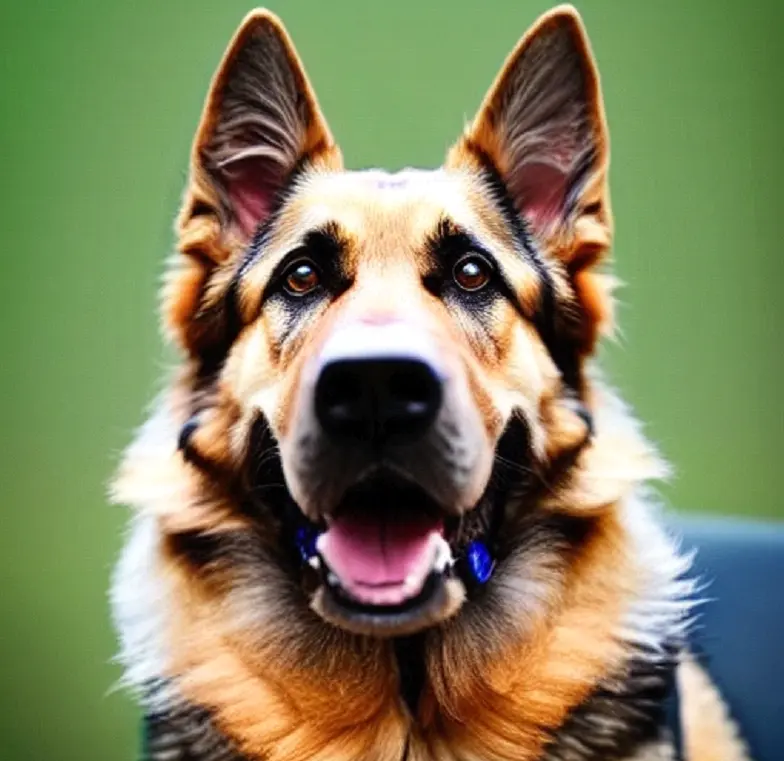
Australian Shepherd
- Size: Australian Shepherds are a medium-sized breed, typically weighing 40 to 65 pounds and standing 18 to 23 inches tall.
- Space Needs: They do best in homes with ample space and a yard for them to run and play.
- Exercise Needs: Australian Shepherds are highly active and require daily exercise and mental stimulation.
- Good with Children: They are often great with children and can be very protective.
- Training: Australian Shepherds are highly intelligent and respond well to training. They excel in obedience and agility training.
- Grooming Needs: They have a medium-length double coat that requires regular brushing and can shed seasonally.
- Common Health Issues: Australian Shepherds can be prone to hip dysplasia, eye problems, and certain genetic conditions.
- Common Behavioral Issues: Without sufficient exercise and mental stimulation, they can become restless and may exhibit herding behaviors.
- Activity Level: Very high activity level.
- Noise Level: Australian Shepherds can be prone to barking and herding-related vocalizations.
Akita
- Size: Akitas are a large breed, typically weighing 70 to 130 pounds and standing 24 to 28 inches tall.
- Space Needs: They do best in homes with ample space and a secure yard.
- Exercise Needs: Akitas are moderately active and need regular exercise and mental stimulation.
- Good with Children: Akitas can be good with children when properly socialized and trained, but they are a powerful breed.
- Training: Akitas are intelligent but can be independent. They require consistent training with a firm hand.
- Grooming Needs: They have a thick double coat that requires regular brushing and sheds seasonally.
- Common Health Issues: Akitas can be prone to hip dysplasia, certain cancers, and bloat.
- Common Behavioral Issues: Without proper socialization and training, they can be territorial and may exhibit aggression.
- Activity Level: Moderate activity level.
- Noise Level: Akitas are not typically prone to excessive barking.
American Eskimo Dog
- Size: American Eskimo Dogs come in three size
- varieties: toy (9-12 pounds), miniature (12-20 pounds), and standard (18-35 pounds).
- Space Needs: They adapt well to apartments and houses with daily exercise and play.
- Exercise Needs: American Eskimo Dogs have moderate exercise requirements, enjoying outdoor activities and walks.
- Good with Children: They are affectionate and excellent family dogs, particularly with children.
- Training: American Eskimo Dogs are intelligent and trainable but may be independent.
- Grooming: Their dense double coat requires regular brushing and grooming.
- Common Health Issues: Prone to hip dysplasia, dental problems, and certain skin conditions.
Common Behavioral - Issues: American Eskimo Dogs may be prone to barking and separation anxiety.
Afghan Hound
- Size: Afghan Hounds are large dogs, typically weighing around 50-60 pounds.
- Space Needs: They adapt to apartments and houses, but regular exercise is important.
- Exercise Needs: Afghan Hounds have moderate exercise requirements, enjoying daily walks and free-spirited running.
- Good with Children: They are independent and may be reserved, so early socialization is important.
- Training: Afghan Hounds are intelligent but can be independent, requiring consistent training.
- Grooming: Their long, silky coat requires regular grooming and care.
- Common Health Issues: Prone to hip dysplasia, certain eye conditions, and skin problems.
- Common Behavioral Issues: Afghan Hounds may have a strong prey drive and require early socialization.
Alaskan Malamute
- Size: Alaskan Malamutes are large dogs, typically weighing around 75-100 pounds.
- Space Needs: They are best for homes with space and a yard due to their size and exercise needs.
- Exercise Needs: Alaskan Malamutes have high energy levels, requiring daily vigorous exercise and play.
- Good with Children: They are affectionate and can be good with children, making them suitable for families.
- Training: Alaskan Malamutes are intelligent but may be independent, requiring consistent training.
- Grooming: Their thick, double coat requires regular brushing and seasonal shedding.
- Common Health Issues: Prone to hip dysplasia, certain eye conditions, and certain genetic conditions.
- Common Behavioral Issues: Alaskan Malamutes may be prone to digging and howling behavior.
American Pit Bull Terrier
- Size: American Pit Bull Terriers are medium-sized dogs, typically weighing around 30-60 pounds.
- Space Needs: They adapt well to apartments and houses, requiring regular exercise and play.
- Exercise Needs: Pit Bulls have high energy levels, needing daily exercise and play.
- Good with Children: They are affectionate and can be good with children, making them suitable for families with proper training.
- Training: Pit Bulls are intelligent and responsive to training but may be strong-willed.
- Grooming: Their short coat is low-maintenance.
- Common Health Issues: Prone to hip dysplasia, skin conditions, and allergies.
- Common Behavioral Issues: Pit Bulls may require early socialization and breed-specific legislation may affect ownership in some areas.
American Bulldog
- Size: American Bulldogs are medium to large dogs, typically weighing around 60-120 pounds.
- Space Needs: They adapt well to apartments and houses, requiring regular exercise and play.
- Exercise Needs: American Bulldogs have moderate exercise requirements, benefiting from daily walks and play.
- Good with Children: They are affectionate and can be good with children, making them suitable for families.
- Training: American Bulldogs are intelligent and trainable but may be strong-willed.
- Grooming: Their short coat is low-maintenance.
- Common Health Issues: Prone to hip dysplasia, certain skin problems, and allergies.
- Common Behavioral Issues: American Bulldogs may require early socialization and may be prone to territorial behavior.
Airedale Terrier
- Size: Airedale Terriers are medium-sized dogs, typically weighing around 40-65 pounds.
- Space Needs: They adapt well to apartments and houses, requiring regular exercise and play.
- Exercise Needs: Airedale Terriers have high energy levels, needing daily exercise and outdoor activities.
- Good with Children: They are affectionate and can be good with children, making them suitable for families.
- Training: Airedale Terriers are intelligent and trainable but may be independent.
- Grooming: Their wiry coat requires regular grooming and hand-stripping.
- Common Health Issues: Prone to hip dysplasia, certain skin conditions, and allergies.
- Common Behavioral Issues: Airedale Terriers may be prone to digging and require early socialization.
Bulldog
- Size: Bulldogs are medium-sized dogs, with males and females having a similar height of around 14-15 inches (36-38 cm).
- Space Needs: They are well-suited for apartment living due to their lower activity levels.
- Exercise Needs: Bulldogs are relatively low-energy dogs and require only moderate exercise.
- Good with Children: They are affectionate and good with children, making them great family pets.
- Training: Bulldogs can be a bit stubborn but respond well to consistent training.
- Grooming: They have short coats and low grooming needs.
- Common Health Issues: Prone to breathing problems, hip issues, and skin fold infections.
- Common Behavioral Issues: They may be a bit lazy and prone to overeating.
- Activity Level: Low activity dogs.
- Noise Level: Generally quiet dogs.
Beagle
- Size: Beagles are small to medium-sized dogs, typically around 13-15 inches (33-38 cm) tall.
- Space Needs: They can adapt to apartment living if provided with daily exercise.
- Exercise Needs: Beagles are active dogs and require regular exercise to prevent obesity.
- Good with Children: Beagles are friendly and good with kids, fitting well into families.
- Training: They are intelligent but can be independent, requiring consistent training.
- Grooming: Beagles have short coats with minimal grooming needs.
- Common Health Issues: Prone to ear infections, obesity, and some genetic conditions.
- Common Behavioral Issues: Their strong nose can lead to digging and following scents.
- Activity Level: Moderate to high activity dogs.
- Noise Level: Beagles are known for their barking and howling.
Boxer
- Size: Boxers are a medium to large breed, typically weighing 50 to 80 pounds and standing 21 to 25 inches tall.
- Space Needs: They do well in homes with space to move around and a secure yard.
- Exercise Needs: Boxers are highly active and require regular exercise and mental stimulation.
- Good with Children: Boxers are known for their affection and can be excellent family dogs when properly trained and socialized.
- Training: Boxers are intelligent but can be stubborn. They respond well to positive reinforcement training.
- Grooming Needs: They have a short coat that requires minimal grooming.
- Common Health Issues: Boxers are prone to certain heart conditions, hip dysplasia, and cancer.
- Common Behavioral Issues: Without proper socialization and training, they can be excitable and may jump on people.
- Activity Level: High activity level.
- Noise Level: Boxers are not typically prone to obsessive barking.
Boston Terrier
- Size: Boston Terriers are a small breed, typically weighing 12 to 25 pounds and standing around 15 to 17 inches tall.
- Space Needs: They can adapt well to apartment living due to their small size.
- Exercise Needs: Boston Terriers are moderately active and need regular play and short walks.
- Good with Children: They are generally good with children and have a friendly and affectionate nature.
- Training: Boston Terriers are intelligent and can be trained, but they can be a bit stubborn. Positive reinforcement training works well.
- Grooming Needs: They have a short coat with minimal grooming requirements.
- Common Health Issues: Boston Terriers can be prone to respiratory issues, eye conditions, and certain skin problems.
- Common Behavioral Issues: Some Boston Terriers may be prone to separation anxiety and excessive barking.
- Activity Level: Moderate activity level.
- Noise Level: Boston Terriers can be prone to barking, but it’s not typically excessive.
Bichon Frise
- Size: Bichon Frises are a small breed, typically weighing 10 to 18 pounds and standing around 9.5 to 11.5 inches tall.
- Space Needs: They can adapt well to apartment living due to their small size.
- Exercise Needs: Bichon Frises are moderately active and require daily play and short walks.
- Good with Children: They are generally good with children and have a friendly and affectionate nature.
- Training: Bichon Frises are intelligent and can be trained, but they may be a bit stubborn. Positive reinforcement training works well.
- Grooming Needs: They have a curly coat that requires regular grooming and brushing.
- Common Health Issues: Bichon Frises can be prone to dental problems, eye conditions, and certain skin conditions.
- Common Behavioral Issues: Some Bichon Frises may be prone to separation anxiety and barking.
- Activity Level: Moderate activity level.
- Noise Level: Bichon Frises can be prone to barking, especially if not properly stimulated.
Border Collie
- Size: Border Collies are a medium-sized breed, typically weighing 30 to 55 pounds and standing around 18 to 22 inches tall.
- Space Needs: They do best in homes with ample space and a yard to accommodate their energy.
- Exercise Needs: Border Collies are highly active and require daily exercise and mental stimulation.
- Good with Children: They are generally good with children, but they may exhibit herding behaviors.
- Training: Border Collies are highly intelligent and excel in obedience and agility training.
- Grooming Needs: They have a medium-length double coat that requires regular brushing and shedding seasonally.
- Common Health Issues: Border Collies can be prone to hip dysplasia, eye problems, and certain genetic conditions.
- Common Behavioral Issues: Without proper exercise and mental stimulation, they can become restless and may exhibit herding behaviors.
- Activity Level: Very high activity level.
- Noise Level: Border Collies are not typically prone to excessive barking.
Boxer
- Size: Boxers are medium to large dogs, typically weighing 50-80 pounds.
- Space Needs: They are best suited for families with a yard for active play.
- Exercise Needs: Boxers have high energy levels and require daily vigorous exercise and mental stimulation.
- Good with Children: Boxers are affectionate and excellent with children, known as “gentle giants.”
- Training: They are intelligent and respond well to positive reinforcement training.
- Grooming: Boxers have a short coat that’s easy to care for.
- Common Health Issues: Prone to certain heart conditions, hip dysplasia, and cancer.
- Common Behavioral Issues: Boxers may be excitable and benefit from early socialization and training.
Bull Terrier
- Size: Bull Terriers are medium-sized dogs, typically weighing 50-70 pounds.
- Space Needs: They are adaptable to different living spaces but need regular exercise.
- Exercise Needs: Bull Terriers have moderate exercise requirements, including play and daily walks.
- Good with Children: They are affectionate and good with children, particularly if well-socialized.
- Training: Bull Terriers are intelligent but may be strong-willed, requiring consistent training.
- Grooming: Their short, dense coat is low-maintenance.
- Common Health Issues: Prone to heart issues, skin allergies, and certain genetic conditions.
- Common Behavioral Issues: Bull Terriers may exhibit guarding behavior and benefit from socialization.
Basenji
- Size: Basenjis are small to medium-sized dogs, typically weighing around 22-24 pounds.
- Space Needs: They adapt to apartment living with regular exercise and stimulation.
- Exercise Needs: Basenjis have moderate exercise requirements, needing daily walks and play.
- Good with Children: They are independent and may be reserved, so early socialization is important.
- Training: Basenjis are intelligent but can be headstrong, requiring consistent training.
- Grooming: They have a short coat that’s low-maintenance.
- Common Health Issues: Prone to hip dysplasia, eye conditions, and certain skin problems.
- Common Behavioral Issues: Basenjis may be prone to excessive barking and escaping.
Bloodhound
- Size: Bloodhounds are large dogs, typically weighing 80-110 pounds.
- Space Needs: They adapt to homes with yards and require regular exercise.
- Exercise Needs: Bloodhounds have moderate exercise requirements, including outdoor play and daily walks.
- Good with Children: They are affectionate and can be good with children, making them suitable for families.
- Training: Bloodhounds are intelligent but may be stubborn, so consistent training is important.
- Grooming: Their loose, wrinkled skin and long ears require special attention.
- Common Health Issues: Prone to hip dysplasia, ear infections, and certain skin problems.
- Common Behavioral Issues: Bloodhounds may be prone to baying and tracking behavior.
Border Terrier
- Size: Border Terriers are small dogs, typically weighing around 11-15 pounds.
- Space Needs: They adapt well to apartments and houses, needing daily exercise and play.
- Exercise Needs: Border Terriers have moderate exercise requirements, including daily outdoor activities.
- Good with Children: They are affectionate and can be good with children, but early socialization is important.
- Training: Border Terriers are intelligent and trainable but may be independent.
- Grooming: Their wiry coat requires regular grooming.
- Common Health Issues: Prone to patellar luxation, certain eye conditions, and allergies.
- Common Behavioral Issues: Border Terriers may exhibit digging and chasing behavior.
Basset Hound
- Size: Basset Hounds are medium-sized dogs, typically weighing around 40-65 pounds.
- Space Needs: They adapt well to apartments and houses, requiring regular exercise and play.
- Exercise Needs: Basset Hounds have moderate exercise requirements, benefiting from daily walks and sniffing activities.
- Good with Children: They are affectionate and excellent family dogs, particularly with children.
- Training: Basset Hounds are intelligent but can be stubborn, requiring consistent training.
- Grooming: Their short coat is low-maintenance.
Common Health Issues: Prone to hip dysplasia, ear infections, and certain skin problems. - Common Behavioral Issues: Basset Hounds may be prone to stubbornness and require early socialization.
Belgian Malinois
- Size: Belgian Malinois are medium-sized dogs, typically weighing around 40-80 pounds.
- Space Needs: They adapt well to apartments and houses, requiring regular exercise and play.
- Exercise Needs: Belgian Malinois have high energy levels, needing daily vigorous exercise and mental stimulation.
- Good with Children: They are affectionate and can be good with children but need early socialization.
- Training: Belgian Malinois are highly intelligent and trainable, often used in police and working roles.
- Grooming: Their short coat is low-maintenance.
- Common Health Issues: Prone to hip dysplasia, certain eye conditions, and certain genetic conditions.
- Common Behavioral Issues: Belgian Malinois require early socialization and thrive in jobs or activities.
Bearded Collie
- Size: Bearded Collies are medium-sized dogs, typically weighing around 40-60 pounds.
- Space Needs: They adapt well to apartments and houses, requiring regular exercise and play.
- Exercise Needs: Bearded Collies have high energy levels, needing daily exercise and play.
- Good with Children: They are affectionate and can be good with children, making them suitable for families.
- Training: Bearded Collies are intelligent and responsive to training, often excelling in herding activities.
- Grooming: Their long, shaggy coat requires regular brushing and grooming.
- Common Health Issues: Prone to hip dysplasia, certain eye conditions, and skin problems.
- Common Behavioral Issues: Bearded Collies may be prone to herding behavior and require early socialization.
Cavalier King Charles Spaniel
- Size: Cavaliers are a small breed, typically weighing 13 to 18 pounds and standing around 12 to 13 inches tall.
- Space Needs: They can adapt well to apartment living due to their small size.
- Exercise Needs: Cavaliers are moderately active and require regular play and short walks.
- Good with Children: They are known for their friendly and affectionate nature, making them excellent family dogs.
- Training: Cavaliers are intelligent and respond well to positive reinforcement training.
- Grooming Needs: They have a long, silky coat that requires regular grooming and brushing.
- Common Health Issues: Cavaliers can be prone to heart conditions, eye problems, and certain genetic conditions.
- Common Behavioral Issues: They may be prone to separation anxiety if left alone for long periods.
- Activity Level: Low to moderate activity level.
- Noise Level: Cavaliers are not typically prone to excessive barking.
Chihuahua
- Size: Chihuahuas are a tiny breed, typically weighing 2 to 6 pounds and standing around 5 to 8 inches tall.
- Space Needs: They are well-suited to apartment living due to their small size.
- Exercise Needs: Chihuahuas are small but still need regular exercise to stay healthy.
- Good with Children: They can be good with older, gentle children but may be wary of rough handling due to their size.
- Training: Chihuahuas are intelligent and can be trained, but they may have a stubborn streak.
- Grooming Needs: They have a short coat with minimal grooming requirements.
- Common Health Issues: Chihuahuas can be prone to dental problems, patellar luxation, and eye conditions.
- Common Behavioral Issues: Chihuahuas can be prone to excessive barking and may develop separation anxiety.
- Activity Level: Moderate activity level.
- Noise Level: Chihuahuas can be prone to barking, and some individuals may be quite vocal.
Cairn Terrier
- Size: Cairn Terriers are small dogs, typically weighing 13-14 pounds.
- Space Needs: They are adaptable to apartments and houses but require regular exercise.
- Exercise Needs: Cairn Terriers have moderate exercise requirements, enjoying daily playtime and walks.
- Good with Children: They are spirited and can be good with children but need supervision due to their small size.
- Training: Cairn Terriers are intelligent but may be strong-willed, requiring consistent training.
- Grooming: Their wiry coat requires regular grooming.
- Common Health Issues: Prone to dental problems, patellar luxation, and certain skin conditions.
- Common Behavioral Issues: Cairn Terriers may exhibit digging and barking behavior.
Cocker Spaniel
- Size: Cocker Spaniels are small to medium-sized dogs, typically weighing around 24-30 pounds.
- Space Needs: They adapt well to apartment living with regular exercise and play.
- Exercise Needs: Cocker Spaniels have moderate exercise requirements, enjoying outdoor activities and walks.
- Good with Children: They are affectionate and excellent family dogs, especially with children.
- Training: Cocker Spaniels are intelligent and responsive to training.
- Grooming: Their silky coat requires regular grooming.
- Common Health Issues: Prone to ear infections, eye conditions, and certain skin problems.
- Common Behavioral Issues: Cocker Spaniels may be prone to separation anxiety and resource guarding.
Collie
- Size: Collies are medium to large dogs, typically weighing around 50-75 pounds.
- Space Needs: They thrive in homes with yards and require regular exercise and play.
- Exercise Needs: Collies have moderate exercise requirements, including daily walks and outdoor activities.
- Good with Children: They are affectionate and known for their gentle nature, making them excellent family dogs.
- Training: Collies are intelligent and responsive to training, often excelling in obedience.
- Grooming: Their long, flowing coat requires regular grooming.
- Common Health Issues: Prone to hip dysplasia, eye conditions, and certain skin problems.
- Common Behavioral Issues: Collies may be prone to herding behavior and require early socialization.
Chesapeake Bay Retriever
- Size: Chesapeake Bay Retrievers are medium to large dogs, typically weighing around 55-80 pounds.
- Space Needs: They adapt well to both apartments and houses, requiring regular exercise and play.
- Exercise Needs: Chesapeake Bay Retrievers have high energy levels, needing daily exercise and water activities.
- Good with Children: They are affectionate and can be good with children, particularly if well-socialized.
- Training: Chesapeake Bay Retrievers are intelligent and responsive to training.
- Grooming: Their short, dense coat is low-maintenance.
- Common Health Issues: Prone to hip dysplasia, eye conditions, and certain skin problems.
- Common Behavioral Issues: Chesapeake Bay Retrievers may be prone to digging and resource guarding.
Dachshund
- Size: Dachshunds come in three coat types: Standard (16-32 pounds), Miniature (11 pounds and under), and Rabbit (2-5 pounds).
- Space Needs: They can adapt to apartment living but need regular exercise.
- Exercise Needs: Dachshunds are active and require daily walks and playtime.
- Good with Children: They can be good with children but should be handled gently, especially with their long backs.
- Training: Dachshunds are intelligent but can be independent. Consistent training is essential.
- Grooming Needs: Grooming needs vary based on coat type, with long-haired Dachshunds needing more care.
- Common Health Issues: Dachshunds are prone to back problems due to their long spines. They can also have dental issues.
- Common Behavioral Issues: Some Dachshunds can be stubborn and may exhibit resource guarding behaviors.
- Activity Level: Moderate activity level.
- Noise Level: Dachshunds can be prone to barking.
Doberman Pinscher
- Size: Dobermans are a medium to large breed, typically weighing 60 to 100 pounds and standing 24 to 28 inches tall.
- Space Needs: They do well in homes with ample space and a yard, but they can adapt to apartment living with sufficient exercise.
- Exercise Needs: Dobermans are active and require daily exercise and mental stimulation.
- Good with Children: They can be good with children when socialized and trained properly.
- Training: Dobermans are highly intelligent and respond well to training, making them excellent candidates for obedience work.
- Grooming Needs: They have a short coat with minimal grooming requirements.
- Common Health Issues: Dobermans are prone to heart conditions, hip dysplasia, and certain genetic conditions.
- Common Behavioral Issues: Without proper socialization and training, they can become overly protective or wary of strangers.
- Activity Level: High activity level.
- Noise Level: Dobermans are not typically prone to excessive barking.
Dalmatian
- Size: Dalmatians are medium to large dogs, averaging 45-70 pounds.
- Space Needs: They are adaptable to both apartments and houses but require regular exercise.
- Exercise Needs: Dalmatians have high energy levels and need regular exercise and play.
- Good with Children: Dalmatians are friendly and can be good family dogs with proper training.
- Training: They are intelligent but may be independent, so consistent training is important.
- Grooming: Dalmatians have short, easy-to-maintain coats.
- Common Health Issues: Prone to urinary tract issues, skin problems, and certain genetic conditions.
- Common Behavioral Issues: Dalmatians may be stubborn and need socialization and training.
English Setter
- Size: English Setters are medium to large dogs, typically weighing 45-80 pounds.
- Space Needs: They thrive in homes with yards for play, but regular exercise is essential.
- Exercise Needs: They have moderate exercise requirements, enjoying daily walks and outdoor play.
- Good with Children: English Setters are gentle and good-natured, making them excellent family dogs.
- Training: They are intelligent and respond well to positive reinforcement training.
- Grooming: English Setters have long, feathered coats that require regular grooming.
- Common Health Issues: Prone to hip dysplasia, ear infections, and certain heart conditions.
- Common Behavioral Issues: English Setters may be sensitive and benefit from positive training techniques.
English Springer Spaniel
- Size: English Springer Spaniels are medium-sized dogs, typically weighing around 40-50 pounds.
- Space Needs: They adapt well to apartments and houses, requiring regular exercise and play.
- Exercise Needs: English Springer Spaniels have high energy levels, needing daily exercise and outdoor activities.
- Good with Children: They are affectionate and can be good with children, making them suitable for families.
- Training: English Springer Spaniels are intelligent and responsive to training, often excelling in obedience and agility.
- Grooming: Their medium-length coat requires regular brushing and grooming.
- Common Health Issues: Prone to hip dysplasia, certain eye conditions, and ear infections.
- Common Behavioral Issues: English Springer Spaniels may be prone to separation anxiety and require early socialization.
French Bulldog
- Size: French Bulldogs are small dogs, weighing around 16-28 pounds.
- Space Needs: They are well-suited for apartment living due to their size and low exercise needs.
- Exercise Needs: French Bulldogs have low exercise requirements and enjoy short indoor play.
- Good with Children: They are affectionate and great with children, making them ideal family dogs.
- Training: French Bulldogs are intelligent but may be stubborn, so consistency is key.
- Grooming: Their short coat is low-maintenance.
- Common Health Issues: Prone to brachycephalic syndrome, hip dysplasia, and skin fold dermatitis.
- Common Behavioral Issues: French Bulldogs may be prone to separation anxiety and need early socialization.
German Shepherd
- Size: German Shepherds are large dogs, with males standing around 24-26 inches (61-66 cm) and females slightly smaller.
- Space Needs: They do best in homes with a yard due to their size and energy.
- Exercise Needs: Extremely active dogs that require daily exercise and mental stimulation.
- Good with Children: German Shepherds can be great with children when properly socialized.
- Training: They are highly intelligent and trainable.
- Grooming: They have a double coat and shed year-round, requiring regular grooming.
- Common Health Issues: Prone to hip and elbow dysplasia, bloat, and certain skin conditions.
- Common Behavioral Issues: May become anxious without proper socialization and exercise.
- Activity Level: High activity dogs.
- Noise Level: Alert and may bark when sensing a threat.
Golden Retriever
- Size: Golden Retrievers are large dogs, with males standing around 23-24 inches (58-61 cm) and females slightly smaller.
- Space Needs: They adapt well to various living spaces, but a house with a yard is preferable.
- Exercise Needs: They are active dogs that need daily exercise, including play and retrieving games.
- Good with Children: Golden Retrievers are known for their friendly and gentle nature, making them great family dogs.
- Training: They are intelligent and easy to train.
- Grooming: Regular grooming is needed due to their long, water-resistant coat.
- Common Health Issues: Prone to hip dysplasia, certain heart conditions, and cancer.
- Common Behavioral Issues: They may become destructive if bored.
- Activity Level: High activity dogs.
- Noise Level: Generally quiet but may bark when someone approaches.
Great Dane
- Size: Great Danes are a giant breed, typically weighing 140 to 175 pounds and standing 28 to 34 inches tall.
- Space Needs: They require ample space to move comfortably but can adapt to apartment living with regular exercise.
- Exercise Needs: Great Danes need daily exercise but are not as hyperactive as some other breeds of their size.
- Good with Children: Great Danes are often called “gentle giants” and are generally good with children when properly socialized.
- Training: They are intelligent and respond well to positive reinforcement training methods. Early training is crucial due to their size.
- Grooming Needs: Great Danes have a short coat with minimal grooming requirements.
- Common Health Issues: Great Danes can be prone to heart conditions, bloat, hip dysplasia, and certain cancers.
- Common Behavioral Issues: Without proper socialization, they can be reserved or overly timid.
- Activity Level: Moderate activity level.
- Noise Level: Great Danes are generally not prone to excessive barking.
Greyhound
- Size: Greyhounds are large dogs, weighing around 60-70 pounds.
- Space Needs: Greyhounds are adaptable to apartment living and appreciate short outdoor exercise.
- Exercise Needs: They have low to moderate exercise requirements and enjoy short bursts of activity.
- Good with Children: Greyhounds are known for their calm and friendly nature, making them excellent with children.
- Training: They are intelligent and respond well to positive reinforcement training.
- Grooming: Their short coat is low-maintenance.
- Common Health Issues: Prone to osteosarcoma, bloat, and skin conditions.
- Common Behavioral Issues: Greyhounds may have a strong prey drive and should be socialized accordingly.
Havanese
- Size: Havanese are a small breed, typically weighing 7 to 13 pounds and standing around 8.5 to 11.5 inches tall.
- Space Needs: They can adapt well to apartment living due to their small size, but they need regular exercise.
- Exercise Needs: Havanese are moderately active and require daily play and short walks.
- Good with Children: They are generally good with children and have a friendly and affectionate nature.
- Training: Havanese are intelligent and can be trained, but they can be a bit stubborn. Positive reinforcement training works well.
- Grooming Needs: They have a long, silky coat that requires regular grooming and brushing.
- Common Health Issues: Havanese may be prone to dental problems, eye conditions, and certain genetic conditions.
- Common Behavioral Issues: Without proper exercise and mental stimulation, they may become anxious and exhibit barking behaviors.
- Activity Level: Moderate activity level.
- Noise Level: Havanese can be prone to barking.
Irish Wolfhound
- Size: Irish Wolfhounds are giant dogs, typically weighing 140-180 pounds.
- Space Needs: They are best for homes with space and a yard due to their size and exercise needs.
- Exercise Needs: Irish Wolfhounds have moderate exercise requirements, including daily walks and outdoor play.
- Good with Children: They are gentle giants and are excellent with children.
- Training: Irish Wolfhounds are intelligent and respond well to positive reinforcement training.
- Grooming: Their short, rough coat is relatively low-maintenance.
- Common Health Issues: Prone to heart conditions, bloat, and bone cancer.
- Common Behavioral Issues: Irish Wolfhounds may be reserved and benefit from early socialization.
Italian Greyhound
- Size: Italian Greyhounds are small dogs, typically weighing around 6-15 pounds.
- Space Needs: They adapt well to apartments and houses, requiring regular exercise and play.
- Exercise Needs: Italian Greyhounds have moderate exercise requirements, benefiting from indoor play and short walks.
- Good with Children: They are affectionate but may not be the best choice for households with very young children due to their small size.
- Training: Italian Greyhounds are intelligent and trainable, responding well to positive reinforcement.
- Grooming: Their short, fine coat is low-maintenance.
- Common Health Issues: Prone to dental problems, certain eye conditions, and hip dysplasia.
- Common Behavioral Issues: Italian Greyhounds may be prone to shyness and require early socialization.
Keeshond
- Size: Keeshonds are medium-sized dogs, typically weighing around 35-45 pounds.
- Space Needs: They adapt well to apartments and houses, requiring regular exercise and play.
- Exercise Needs: Keeshonds have moderate exercise requirements, enjoying outdoor activities and daily walks.
- Good with Children: They are affectionate and can be good with children, making them suitable for families.
- Training: Keeshonds are intelligent and responsive to training.
- Grooming: Their dense double coat requires regular brushing and grooming.
- Common Health Issues: Prone to hip dysplasia, heart conditions, and certain skin conditions.
- Common Behavioral Issues: Keeshonds may be prone to barking and require early socialization.
Labrador Retriever
- Size: Labradors are medium to large-sized dogs. Males typically stand around 22.5-24.5 inches (57-62 cm) at the shoulder, while females are slightly smaller.
- Space Needs: Labradors are adaptable to different living spaces. They are content in apartments with regular exercise, but a house with a yard is ideal.
- Exercise Needs: They are high-energy dogs and require daily exercise, including walks, playtime, and mental stimulation.
- Good with Children: Labradors are known for their friendly and gentle nature, making them excellent family dogs.
- Training: They are intelligent and relatively easy to train.
- Grooming: Labs have a short, dense coat that’s low-maintenance.
- Common Health Issues: Prone to hip and elbow dysplasia, eye conditions, and obesity if not exercised properly.
- Common Behavioral Issues: Labradors may chew or dig if bored.
- Activity Level: High activity dogs.
- Noise Level: Generally quiet dogs but may bark when excited.
Lhasa Apso
- Size: Lhasa Apsos are small dogs, typically weighing around 12-18 pounds.
- Space Needs: They adapt well to apartments and houses, requiring regular exercise and play.
- Exercise Needs: Lhasa Apsos have moderate exercise requirements, enjoying daily walks and indoor activities.
- Good with Children: They are affectionate and can be good with children but need supervision due to their small size.
- Training: Lhasa Apsos are intelligent but can be independent, requiring consistent training.
- Grooming: Their long, flowing coat requires regular brushing and grooming.
- Common Health Issues: Prone to dental problems, patellar luxation, and certain eye conditions.
- Common Behavioral Issues: Lhasa Apsos may be prone to barking and resource guarding.
Miniature Poodle
- Size: Miniature Poodles are medium-sized dogs, typically weighing 10-15 pounds.
- Space Needs: They adapt well to apartments and houses, requiring regular exercise and play.
- Exercise Needs: Miniature Poodles have high energy levels, needing daily exercise, outdoor activities, and mental stimulation.
- Good with Children: They are affectionate and can be good with children, making them suitable for families.
- Training: Miniature Poodles are highly intelligent and excel in obedience and agility training.
- Grooming: Their curly coat requires regular professional grooming to maintain its elegant appearance.
- Common Health Issues: Prone to hip dysplasia, certain eye conditions, and certain skin problems.
- Common Behavioral Issues: Miniature Poodles may be prone to separation anxiety and require early socialization.
Miniature Schnauzer
- Size: Miniature Schnauzers are a small breed, typically weighing 11 to 20 pounds and standing around 12 to 14 inches tall.
- Space Needs: They can adapt well to apartment living due to their small size.
- Exercise Needs: Miniature Schnauzers are moderately active and require regular exercise and mental stimulation.
- Good with Children: They are usually good with children when properly socialized.
- Training: Miniature Schnauzers are intelligent and can be trained, but they may have a strong-willed nature.
- Grooming Needs: They have a wiry coat that requires regular grooming, including plucking or stripping.
- Common Health Issues: They may be prone to certain genetic conditions and dental problems.
- Common Behavioral Issues: Some Miniature Schnauzers can be prone to excessive barking and territorial behavior.
- Activity Level: Moderate activity level.
- Noise Level: Some Miniature Schnauzers can be prone to barking.
Miniature Pinscher
- Size: Miniature Pinschers are small dogs, typically weighing around 8-12 pounds.
- Space Needs: They adapt well to apartments and houses, requiring regular exercise and play.
- Exercise Needs: Miniature Pinschers have moderate exercise requirements, enjoying daily walks and playtime.
- Good with Children: They are affectionate but may not be the best choice for households with very young children due to their small size.
- Training: Miniature Pinschers are intelligent but can be strong-willed, requiring consistent training.
- Grooming: Their short, sleek coat is low-maintenance.
- Common Health Issues: Prone to patellar luxation, certain eye conditions, and dental problems.
- Common Behavioral Issues: Miniature Pinschers may be prone to excessive barking and guarding behavior.
Maltese
- Size: Maltese are small dogs, typically weighing around 4-7 pounds.
- Space Needs: They adapt well to apartments and houses, requiring regular exercise and play.
- Exercise Needs: Maltese have moderate exercise requirements, benefiting from indoor play and short walks.
- Good with Children: They are affectionate but may not be the best choice for households with very young children due to their small size.
- Training: Maltese are intelligent and can be trained with patience and consistency.
- Grooming: Their long, silky coat requires regular brushing and grooming.
- Common Health Issues: Prone to dental problems, certain eye conditions, and respiratory issues.
- Common Behavioral Issues: Maltese may be prone to separation anxiety and barking behavior.
Norwegian Elkhound
- Size: Norwegian Elkhounds are medium-sized dogs, typically weighing around 48-55 pounds.
- Space Needs: They adapt well to apartments and houses, requiring regular exercise and play.
- Exercise Needs: Norwegian Elkhounds have moderate exercise requirements, enjoying daily outdoor activities and walks.
- Good with Children: They are affectionate and can be good with children, making them suitable for families.
- Training: Norwegian Elkhounds are intelligent and responsive to training, often excelling in obedience and agility.
- Grooming: Their dense double coat requires regular brushing and grooming.
- Common Health Issues: Prone to hip dysplasia, certain eye conditions, and certain skin conditions.
- Common Behavioral Issues: Norwegian Elkhounds may be prone to barking and require early socialization.
Newfoundland
- Size: Newfoundlands are giant dogs, typically weighing 100-150 pounds.
- Space Needs: They are best for homes with space and a yard due to their size.
- Exercise Needs: Newfoundlands have moderate exercise requirements, including daily walks and water activities.
- Good with Children: They are gentle giants and excellent with children.
- Training: Newfoundlands are intelligent and responsive to training but may be slow to mature.
- Grooming: Their thick, dense coat requires regular brushing and grooming.
- Common Health Issues: Prone to hip and elbow dysplasia, heart conditions, and bloat.
- Common Behavioral Issues: Newfoundlands may be prone to drooling and require early socialization.
Pembroke Welsh Corgi
- Size: Pembroke Welsh Corgis are a small to medium-sized breed, typically weighing 24 to 30 pounds and standing 10 to 12 inches tall.
- Space Needs: They can adapt well to apartment living due to their small size, but they require regular exercise.
- Exercise Needs: Corgis are active and need daily exercise to prevent weight gain.
- Good with Children: They are usually good with children, but they may try to herd them due to their herding instincts.
- Training: Corgis are intelligent and can be trained but can be a bit stubborn. Consistent training is essential.
- Grooming Needs: They have a double coat that requires regular brushing and occasional shedding.
- Common Health Issues: Corgis can be prone to hip dysplasia, eye conditions, and obesity.
Common Behavioral - Issues: Without proper exercise and mental stimulation, Corgis can become bored and may exhibit digging behaviors.
- Activity Level: Moderate to high activity level.
- Noise Level: Corgis can be prone to barking, especially when excited.
Pekingese
- Size: Pekingese are a small breed, typically weighing 7 to 14 pounds and standing around 6 to 9 inches tall.
- Space Needs: They can adapt well to apartment living due to their small size.
- Exercise Needs: Pekingese are not very active and require minimal exercise, like short daily walks.
- Good with Children: They are generally good with older, gentle children but may be reserved due to their dignified nature.
- Training: Pekingese can be stubborn, but positive reinforcement training can be effective.
- Grooming Needs: They have a long, flowing coat that requires regular grooming and brushing.
- Common Health Issues: Pekingese can be prone to respiratory problems, eye conditions, and certain skin conditions.
Common Behavioral - Issues: Pekingese may be prone to separation anxiety and may not be overly playful.
- Activity Level: Low activity level.
- Noise Level: Pekingese are not typically prone to excessive barking.
Pomeranian
- Size: Pomeranians are small dogs, typically weighing around 3-7 pounds.
- Space Needs: Pomeranians are well-suited for apartment living with regular indoor play and short walks.
- Exercise Needs: They have moderate exercise requirements, enjoying daily walks and playtime.
- Good with Children: Pomeranians are generally good with older, well-behaved children, but supervision is important due to their small size.
- Training: They are intelligent and can be trained with patience and consistency.
- Grooming: Pomeranians have a dense double coat that requires regular brushing and seasonal shedding.
- Common Health Issues: Prone to dental issues, patellar luxation, and tracheal collapse.
Common Behavioral - Issues: Pomeranians can be strong-willed and may display guarding behavior.
Pug
- Size: Pugs are small to medium-sized dogs, weighing around 14-18 pounds.
- Space Needs: Pugs are adaptable to apartment living but enjoy indoor play and short walks.
- Exercise Needs: They have low to moderate exercise requirements, benefitting from daily play.
- Good with Children: Pugs are known for their affectionate and friendly nature, making them excellent family dogs.
- Training: Pugs are intelligent but can be stubborn, so consistent training is important.
- Grooming: Their short coat is low-maintenance.
- Common Health Issues: Prone to brachycephalic syndrome, obesity, and joint problems.
- Common Behavioral Issues: Pugs may display separation anxiety and are prone to overeating.
Pekingese
- Size: Pekingese are small dogs, typically weighing 7-14 pounds.
- Space Needs: They are well-suited for apartment living due to their size and low activity level.
- Exercise Needs: Pekingese have low exercise requirements, with short daily walks and indoor play.
- Good with Children: Pekingese can be good with well-behaved, older children but need supervision due to their small size.
- Training: They are intelligent but may be independent, so consistent training is important.
- Grooming: Pekingese have a long, dense coat that requires regular grooming.
- Common Health Issues: Prone to respiratory issues, dental problems, and brachycephalic syndrome.
- Common Behavioral Issues: Pekingese may display a tendency to be reserved and benefit from early socialization.
Portuguese Water Dog
- Size: Portuguese Water Dogs are medium-sized dogs, typically weighing around 35-60 pounds.
- Space Needs: They adapt well to apartments and houses, requiring regular exercise and play.
- Exercise Needs: Portuguese Water Dogs have high energy levels, needing daily exercise, especially in the water.
- Good with Children: They are affectionate and excellent family dogs, particularly with children.
- Training: Portuguese Water Dogs are intelligent and trainable, often excelling in obedience and water activities.
- Grooming: Their curly coat requires regular grooming and care.
- Common Health Issues: Prone to hip dysplasia, certain eye conditions, and skin problems.
- Common Behavioral Issues: Portuguese Water Dogs may require early socialization and mental stimulation.
Rottweiler
- Size: Rottweilers are large dogs, typically weighing around 80-135 pounds.
- Space Needs: They adapt well to both apartments and houses with regular exercise and play.
- Exercise Needs: Rottweilers have moderate exercise requirements, benefiting from daily walks and outdoor activities.
- Good with Children: They are affectionate and protective, making them good family dogs with proper training.
- Training: Rottweilers are intelligent and respond well to training but need consistent socialization.
- Grooming: Their short, dense coat is low-maintenance.
- Common Health Issues: Prone to hip and elbow dysplasia, certain heart conditions, and bloat.
Common Behavioral - Issues: Rottweilers may be prone to territorial behavior and require early socialization.
Rhodesian Ridgeback
- Size: Rhodesian Ridgebacks are large dogs, typically weighing 70-85 pounds.
- Space Needs: They adapt well to both apartments and houses but require regular exercise.
- Exercise Needs: Rhodesian Ridgebacks have high energy levels, needing daily exercise and play.
- Good with Children: They are gentle and can be good with children, but supervision is important.
- Training: Ridgebacks are intelligent and respond well to positive reinforcement training.
- Grooming: Their short coat is relatively low-maintenance.
- Common Health Issues: Prone to hip dysplasia, dermoid sinus, and certain genetic conditions.
- Common Behavioral Issues: Ridgebacks may display independence and a strong prey drive.
Standard Poodle
- Size: Standard Poodles are large dogs, typically weighing 45-70 pounds.
- Space Needs: They adapt well to apartments and houses, requiring regular exercise and play.
- Exercise Needs: Standard Poodles have high energy levels, needing daily exercise, outdoor activities, and mental stimulation.
- Good with Children: They are affectionate and can be good with children, making them suitable for families.
- Training: Standard Poodles are highly intelligent and excel in obedience and agility training.
- Grooming: Their curly coat requires regular professional grooming to maintain its elegant appearance.
- Common Health Issues: Prone to hip dysplasia, certain eye conditions, and certain skin problems.
- Common Behavioral Issues: Standard Poodles may be prone to separation anxiety and require early socialization.
Shih Tzu
- Size: Shih Tzus are a small breed, typically weighing 9 to 16 pounds and standing around 9 to 10.5 inches tall.
- Space Needs: They can adapt well to apartment living due to their small size.
- Exercise Needs: Shih Tzus have lower exercise needs and are content with short walks and indoor play.
- Good with Children: They are generally good with children when socialized from an early age.
- Training: Shih Tzus can be a bit stubborn, but positive reinforcement training works well.
- Grooming Needs: They have a long, silky coat that requires regular grooming and brushing.
- Common Health Issues: Shih Tzus may have issues with brachycephalic breathing, dental problems, and eye conditions.
- Common Behavioral Issues: They can be prone to separation anxiety if not properly socialized.
- Activity Level: Low activity level.
- Noise Level: Shih Tzus are not typically prone to obsessive barking.
Siberian Husky
- Size: Siberian Huskies are a medium to large breed, typically weighing 35 to 60 pounds and standing 20 to 24 inches tall.
- Space Needs: Huskies do best in homes with ample space and a secure, escape-proof yard.
- Exercise Needs: They are highly active and require regular, vigorous exercise and mental stimulation.
- Good with Children: Huskies are known for their friendly and playful nature, making them good family dogs.
- Training: Huskies are intelligent but can be independent and stubborn. They require consistent training with a firm hand.
- Grooming Needs: They have a double coat that sheds seasonally and needs regular brushing. They also need occasional baths.
- Common Health Issues: Huskies may be prone to hip dysplasia, eye problems, and certain skin conditions.
- Common Behavioral Issues: Without proper exercise and mental stimulation, Huskies can become destructive and may engage in digging or escaping.
- Activity Level: Very high activity level.
- Noise Level: Huskies are not typically prone to excessive barking but are known for their howling.
Shetland Sheepdog
- Size: Shetland Sheepdogs are a small to medium-sized breed, typically weighing 20 to 25 pounds and standing 13 to 16 inches tall.
- Space Needs: They can adapt well to apartment living due to their small to medium size, but they require regular exercise.
- Exercise Needs: Shelties are active and need daily exercise and mental stimulation.
- Good with Children: They are usually good with children and have a gentle and friendly temperament.
- Training: Shelties are highly intelligent and excel in obedience training. They are eager to please.
- Grooming Needs: They have a thick double coat that requires regular brushing and sheds seasonally.
- Common Health Issues: Shelties can be prone to eye conditions, hip dysplasia, and certain genetic conditions.
- Common Behavioral Issues: Without proper exercise and mental stimulation, they can become anxious and may engage in excessive barking or herding behaviors.
- Activity Level: Moderate to high activity level.
- Noise Level: Some Shelties can be prone to barking, especially if not properly stimulated.
Scottish Terrier
- Size: Scottish Terriers, often called “Scotties,” are small to medium-sized dogs, typically weighing around 18-22 pounds.
- Space Needs: They adapt well to apartment living with daily walks and playtime.
- Exercise Needs: Scotties have moderate exercise requirements and enjoy outdoor walks and interactive play.
- Good with Children: They are affectionate and can be good with older, well-behaved children.
- Training: Scotties are intelligent and can be independent, so consistent training is key.
- Grooming: They have a distinctive wiry coat that requires regular brushing and grooming.
- Common Health Issues: Prone to issues like Scottie Cramp, skin problems, and some genetic conditions.
- Common Behavioral Issues: Scottish Terriers may display a strong prey drive and guarding behavior.
Staffordshire Bull Terrier
- Size: Staffordshire Bull Terriers are medium-sized dogs, typically weighing around 24-38 pounds.
- Space Needs: They adapt to apartments and houses but require regular exercise and play.
- Exercise Needs: Staffordshire Bull Terriers have moderate exercise requirements, enjoying daily outdoor activities.
- Good with Children: They are affectionate and known as “nanny dogs,” making them good with children.
- Training: Staffordshire Bull Terriers are intelligent and respond well to consistent training.
- Grooming: Their short coat is low-maintenance.
- Common Health Issues: Prone to hip dysplasia, skin problems, and certain genetic conditions.
- Common Behavioral Issues: Staffordshire Bull Terriers may exhibit guarding behavior and need early socialization.
Saint Bernard
- Size: Saint Bernards are giant dogs, typically weighing 140-180 pounds.
- Space Needs: They are best suited for homes with space and a yard due to their size.
- Exercise Needs: Saint Bernards have moderate exercise requirements, including daily walks and outdoor play.
- Good with Children: They are gentle giants and excellent with children.
- Training: Saint Bernards are intelligent and responsive to training but may be stubborn.
- Grooming: Their dense, thick coat requires regular brushing and grooming.
- Common Health Issues: Prone to hip and elbow dysplasia, heart issues, and certain skin conditions.
- Common Behavioral Issues: Saint Bernards may be prone to drooling and require early socialization.
Shiba Inu
- Size: Shiba Inus are small to medium-sized dogs, typically weighing around 17-23 pounds.
- Space Needs: They adapt well to apartments and houses, requiring regular exercise and play.
- Exercise Needs: Shiba Inus have moderate exercise requirements, benefiting from daily outdoor activities.
- Good with Children: They are independent and may be reserved, so early socialization is important.
- Training: Shiba Inus are intelligent but can be stubborn, requiring consistent training.
- Grooming: Their double coat requires regular brushing and grooming.
- Common Health Issues: Prone to hip dysplasia, certain eye conditions, and skin problems.
- Common Behavioral Issues: Shiba Inus may be prone to escaping and require early socialization.
Samoyed
- Size: Samoyeds are medium to large dogs, typically weighing around 50-65 pounds.
Space Needs: They thrive in homes with yards due to their size and exercise needs. - Exercise Needs: Samoyeds have moderate exercise requirements, enjoying daily outdoor activities and play.
- Good with Children: They are affectionate and excellent family dogs, particularly with children.
- Training: Samoyeds are intelligent but may be independent, requiring consistent training.
- Grooming: Their thick double coat requires regular brushing and grooming.
- Common Health Issues: Prone to hip dysplasia, certain eye conditions, and skin problems.
- Common Behavioral Issues: Samoyeds may be prone to barking and require early socialization.
Soft Coated Wheaten Terrier
- Size: Soft Coated Wheaten Terriers are medium-sized dogs, typically weighing around 30-40 pounds.
- Space Needs: They adapt well to apartments and houses, requiring regular exercise and play.
- Exercise Needs: Soft Coated Wheaten Terriers have moderate exercise requirements, enjoying daily outdoor activities and play.
- Good with Children: They are affectionate and can be good with children, making them suitable for families.
- Training: Soft Coated Wheaten Terriers are intelligent and responsive to training, often excelling in obedience.
- Grooming: Their soft, silky coat requires regular brushing and grooming.
- Common Health Issues: Prone to hip dysplasia, certain skin conditions, and certain genetic conditions.
- Common Behavioral Issues: Soft Coated Wheaten Terriers may be prone to stubbornness and require early socialization.
Toy Poodle
- Size: Toy Poodles are small dogs, typically weighing 4-6 pounds.
- Space Needs: They adapt well to apartments and houses, requiring moderate exercise and indoor play.
- Exercise Needs: Toy Poodles have moderate exercise requirements, enjoying short daily walks and indoor activities.
- Good with Children: They are affectionate but may be better suited for families with older children due to their small size.
- Training: Toy Poodles are highly intelligent and excel in obedience and agility training.
- Grooming: Their curly coat requires regular professional grooming to maintain its elegant appearance.
- Common Health Issues: Prone to dental problems, certain eye conditions, and certain skin conditions.
- Common Behavioral Issues: Toy Poodles may be prone to separation anxiety and require early socialization.
Tibetan Mastiff
- Size: Tibetan Mastiffs are giant dogs, typically weighing around 70-150 pounds.
- Space Needs: They are best for homes with space and a yard due to their size.
- Exercise Needs: Tibetan Mastiffs have moderate exercise requirements, requiring daily outdoor activity.
- Good with Children: They are protective and can be good with children but need early socialization.
- Training: Tibetan Mastiffs are intelligent but can be strong-willed, requiring consistent training.
- Grooming: Their thick double coat requires regular brushing and grooming.
- Common Health Issues: Prone to hip and elbow dysplasia, certain eye conditions, and bloat.
- Common Behavioral Issues: Tibetan Mastiffs may exhibit guarding behavior and require early socialization.
Weimaraner
- Size: Weimaraners are medium to large dogs, typically weighing 55-90 pounds.
- Space Needs: They thrive in homes with yards for active play and exercise.
- Exercise Needs: Weimaraners have high energy levels, requiring daily vigorous exercise and mental stimulation.
- Good with Children: They are affectionate and can be good family dogs with proper training.
- Training: Weimaraners are intelligent but may be stubborn, so consistent training is important.
- Grooming: Their short coat is relatively low-maintenance.
- Common Health Issues: Prone to hip dysplasia, bloat, and certain genetic conditions.
- Common Behavioral Issues: Weimaraners may exhibit separation anxiety and require early socialization.
West Highland White Terrier (Westie)
- Size: West Highland White Terriers are small dogs, typically weighing around 15-20 pounds.
- Space Needs: They adapt well to apartment living and enjoy indoor play and daily walks.
- Exercise Needs: Westies have moderate exercise requirements, including outdoor activities.
- Good with Children: They are affectionate and can be good with well-behaved children, but supervision is essential.
- Training: Westies are intelligent and can be strong-willed, so consistent training is important.
- Grooming: Their double coat requires regular brushing and grooming.
- Common Health Issues: Prone to skin conditions, allergies, and certain dental problems.
- Common Behavioral Issues: Westies may exhibit digging and barking behavior.
Welsh Terrier
- Size: Welsh Terriers are small to medium-sized dogs, typically weighing around 20-22 pounds.
- Space Needs: They adapt well to apartments and houses, requiring regular exercise and play.
- Exercise Needs: Welsh Terriers have moderate exercise requirements, enjoying daily outdoor activities and play.
- Good with Children: They are affectionate and can be good with children but need early socialization.
- Training: Welsh Terriers are intelligent and trainable but may be independent.
- Grooming: Their wiry coat requires regular grooming and hand-stripping.
- Common Health Issues: Prone to hip dysplasia, certain skin conditions, and allergies.
- Common Behavioral Issues: Welsh Terriers may be prone to digging and barking behavior.
Yorkshire Terrier
- Size: Yorkshire Terriers are a small breed, typically weighing 4 to 7 pounds and standing around 7 to 8 inches tall.
- Space Needs: They can adapt well to apartment living due to their small size.
- Exercise Needs: Yorkies are active and need regular play and short walks.
- Good with Children: They can be good with older, gentle children, but they are a delicate breed.
- Training: Yorkshire Terriers can be stubborn but respond to positive reinforcement training methods.
- Grooming Needs: They have a long, silky coat that requires regular grooming and brushing.
- Common Health Issues: Yorkies may be prone to dental problems, patellar luxation, and tracheal collapse.
- Common Behavioral Issues: Some Yorkies can exhibit excessive barking and a tendency to be bossy.
- Activity Level: Moderate activity level.
- Noise Level: Yorkies can be prone to barking.