FACTS YOU NEED TO KNOW ABOUT PUPPY MILLS AND COMMERCIAL BREEDERS
Facts
Collectively, legal and illegal facilities witness the arrival of over 4 million puppies each year
Some mills initiate breeding as early as 4 months, contributing to generational health issues
Female dogs in mills produce roughly 45 puppies in 5.5 years before concluding their career
Studies reveal that puppies from mills are 41.6% more likely to develop health issues compared to the general dog population.
Disorders and diseases may be inherited by successive generations. Some of these conditions may not manifest until the dog reaches a certain age, leading unsuspecting owners to discover their pet’s illness only later.
Puppy mill puppies are particularly susceptible to communicable diseases, some of which can pose risks to human health. Notably, over a third of these diseases are transmissible to humans
Commercial breeders are not required to report deaths of animals under their care.
Some mill dogs are deliberately euthanized through methods rarely legal or approved, including drowning, shooting, and gassing with improvised gas chambers.
Staggering 90% of pet store dogs born in puppy mills
A mere 1 out of every 10 dogs born manages to secure a permanent home.
Shockingly, 1-in-3 pet dogs originate from puppy mills.
Animal shelters annually receive an estimated 3.3 million dogs, intensifying the strain on shelter resources.
Tragically, at least 1-in-4 of these animals face euthanasia, often due to inadequate shelter resources.
The World Health Organization estimates a staggering 200 million stray dogs globally, each posing potential health risks to communities.
An alarming 7,000 illegal puppy mills exist nationwide, imposing a considerable financial burden of $500,000 on taxpayers to bust a single illegal breeding operation.
The Animal Welfare Act (AWA) of 1966 governs animal commerce but harbors loopholes in its language, lacking a specific reference to “puppy mills.”
The AWA focuses on survival standards rather than humane care standards for dogs, leaving room for exploitation.
Sixteen states lack laws regulating breeding facilities.
AKC Registration: Surprisingly, at least 15% of the notorious Horrible Hundred puppy mills are registered with the American Kennel Club (AKC).
AKC Registration: Surprisingly, at least 15% of the notorious Horrible Hundred puppy mills are registered with the American Kennel Club (AKC).
Almost 2 Million Dogs Die in Puppy Mills Annually (Spots)
Unveiling the Unseen: The Opaque World of Puppy Mill Populations
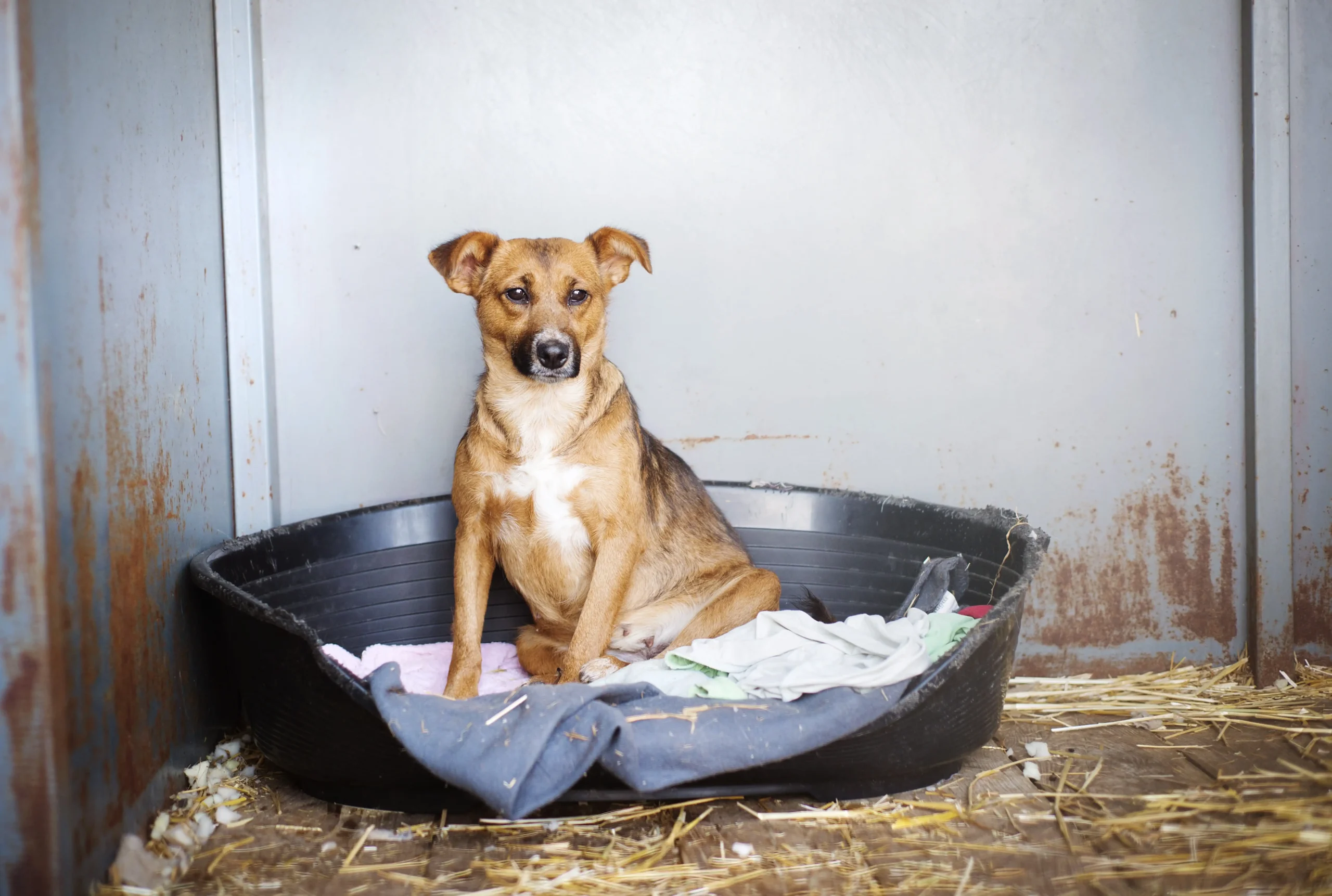
The true dimensions of the puppy mill dog population remain shrouded in uncertainty. Constantly in flux due to the intricate dynamics of births, sales, deaths, and other factors, these populations have become enigmatic, further obscured by the U.S. Department of Agriculture’s (USDA) decision to cease public access to these numbers in 2017.
Legal establishments claim an annual birthrate exceeding a million puppies. Collectively, legal and illegal facilities witness the arrival of over 4 million puppies each year. In 2017, licensed facilities harbored 167,388 breeding dogs, a figure now eclipsed by an estimated 194,000 breeding dogs within legal mills. The broader scope includes an estimated 660,000 breeding dogs across all puppy mills, irrespective of legal status, with males constituting 30% of the breeding population.
Breeding Dynamics in Puppy Mills: A Disturbing Reality
The breeding landscape within puppy mills is predominantly female-oriented. Often breeding at unnaturally young ages, these female dogs, exceeding 460,000 in total, face heightened health risks. Some mills initiate breeding as early as 4 months, contributing to generational health issues. On average, breeding females cease production around 6 years, concluding a “career” that spans slightly over 5.5 years. Each breeding female, on average, yields 9.4 puppies annually, culminating in the staggering reality that 77,000 breeding females are annually deemed “worn-out” and replaced with new dogs.
As we unveil the concealed statistics surrounding puppy mill populations, it becomes imperative to shed light on the distressing breeding practices that perpetuate this cycle of suffering. The hidden world of puppy mills demands our attention and advocacy for a more humane future for these innocent animals.
Unveiling the Harsh Realities: Health Challenges and Population Dynamics in Puppy Mills

Dogs born and raised in commercial breeding facilities face alarming rates of both mental and physical health issues, attributed to inadequate breeding practices, malnutrition, lack of socialization, and overall improper care. Additionally, the population dynamics within these mills contribute to a cycle of suffering, with numbers fluctuating due to births, sales, and deaths, creating an ever-present challenge for oversight and intervention.
Studies reveal that puppies from mills are 41.6% more likely to develop health issues compared to the general dog population. Common problems within these facilities include unsanitary living conditions, with multiple animals crammed into small cages. Behavioral studies by animal scientists demonstrate that mill puppies exhibit signs of poor mental health well into adulthood. These dogs often struggle with house-training, show higher rates of fear (both social and non-social), and are observed to have lower energy levels and reduced trainability.
The consequences of improper breeding extend beyond immediate health issues, as disorders and diseases may be inherited by successive generations. Some of these conditions may not manifest until the dog reaches a certain age, leading unsuspecting owners to discover their pet’s illness only later.
Epilepsy, heart disease, kidney disease, deafness, respiratory defects, musculoskeletal disorders, hip dysplasia, luxating patellas, polydactyly, endocrine disorders, diabetes, hyperthyroidism, Cushing’s disease, blood disorders, anemia, Von Willebrand disease, hemophilia, eye problems (such as retinal atrophy, glaucoma, cataracts) are among the hereditary diseases prevalent in puppy mills.
Puppy mill puppies are particularly susceptible to communicable diseases, some of which can pose risks to human health. Notably, over a third of these diseases are transmissible to humans, including Giardia, parvovirus, distemper, pneumonia, kennel cough, MRSA (Methicillin-resistant Staphylococcus aureus), mange, fleas, ticks, intestinal parasites, heartworm, chronic diarrhea, and upper respiratory infections.
As we uncover the grim health realities within puppy mills, it becomes imperative to advocate for better breeding practices, humane treatment, and stronger regulations to ensure the well-being of these vulnerable animals. Additionally, understanding the sheer scale of these operations emphasizes the need for increased oversight and intervention to break the cycle of suffering perpetuated by the puppy mill industry.
Tragedies Unseen: The Toll of Death and Deception in Puppy Mills
Note that any numbers regarding deaths in mills must be estimated and/or extrapolated based on available data. There is no data regarding the number or nature of deaths in puppy mills, as commercial breeders are not required to report deaths of animals under their care.
Apart from breeding animals commercial breeders are not required to report deaths of animals under their care.
Tragically, breeding animals are often culled once they are no longer able to produce, and puppies separated prematurely from their mothers, a common practice in mills, face heightened susceptibility to illness and death. The lack of veterinary care further contributes to preventable deaths.
Disturbingly, some mill dogs are deliberately euthanized through methods rarely legal or approved, including drowning, shooting, and gassing with improvised gas chambers.
The Puppy Pipeline: Unveiling the Dark Journey
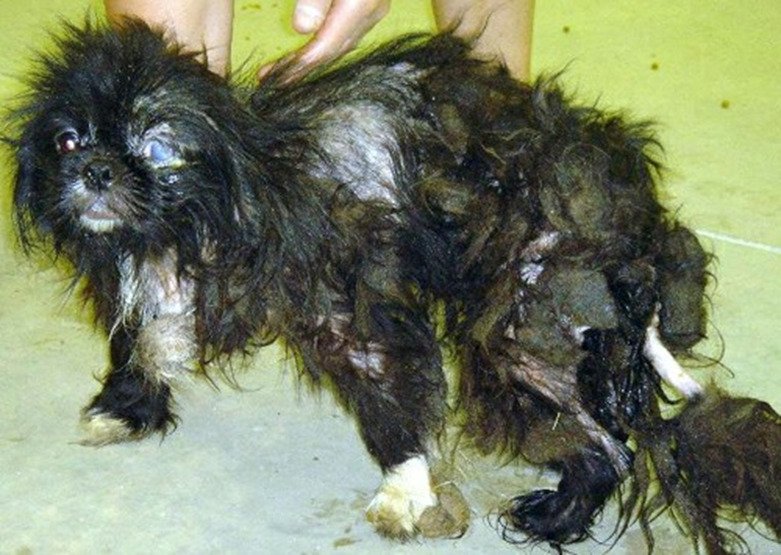
The path a puppy takes from birth in the mill to its final owner is commonly referred to as the “puppy pipeline.” This journey involves transport, brokerage, and pet shops. Investigations have exposed widespread abuse and neglect at various stages, from improper transportation to unsanitary housing.
Almost half of mill puppies find their way to pet shops, chains, and superstores, with a staggering 90% of pet store dogs born in puppy mills. The USDA estimates that just over 2 million puppies are sold in pet stores, where investigators routinely uncover ill, underweight, and abused animals. Some mills even go as far as selling their animals in states where puppy mills are illegal or strictly regulated.
Navigating the Labyrinth of Terminology: Decoding Doublespeak
Terms used along the puppy pipeline can be confusing, referred to by animal rights groups as “doublespeak” designed to mislead pet owners.
- A “breeder” may refer to any person arranging for two animals to produce offspring.
- A “dealer” or “broker” is an individual or organization buying mill puppies and selling them to stores, other brokers, or directly to consumers.
- “USDA Class A” denotes a licensed breeder selling animals bred on their premises.
- “USDA Class B” designates a licensed broker purchasing and/or reselling warm-blooded animals.
- “Transporters” are individuals moving animals from one place to another.
The Pervasive Web: Unraveling the Complex Network of Puppy Mill Sales
Puppy mills’ major clientele extends beyond individual pet owners, with pet shops, chains, and superstores engaging in mass, often indiscriminate, purchases of dogs. Brokers add a layer of complexity, making it challenging for consumers to trace a puppy’s origin. The prevalence of unhealthy dogs in these establishments has prompted state and federal agencies to caution against purchasing pets from such sources, with some jurisdictions enacting laws to combat animal cruelty.
The statistics reveal a disconcerting trend:
- For every 50 licensed breeders, there are 13 licensed brokers.
- Approximately 2/3 of pet store puppies are transported by brokers.
- It’s not uncommon for Class B animal brokers to engage in breeding themselves.
- Legitimate breeders, committed to the well-being of their animals, typically avoid using brokers.
- A growing number of brokers are transitioning to online platforms, aiming to evade inspections and maintain a veil of transparency.
The Rise of Online Brokers: Navigating a Murky Landscape
Watchdog groups highlight a steady surge in online brokerages, operating in a regulatory gray area and often posing as legitimate breeders or even shelters/rescues.
Online brokers adopt titles like “puppy concierges” or “puppy finders,” leveraging their websites to “match” users with breeders.
Approximately 36% of dog owners turn to the internet to find their pets.
Disturbingly, the USDA reports a higher incidence of illness among dogs purchased online compared to those acquired in person.
The Better Business Bureau registers a substantial number of scam complaints related to online pet sales.
The Humane Society received a staggering 5,000 complaints between 2007 and 2017 concerning online pet sales operations.
Impact on Animal Welfare: The Tragic Consequences of Puppy Mill Purchases
Pet owners frequently opt to purchase dogs from puppy mills rather than adopting from shelters, contributing significantly to the challenges of animal homelessness and death.
Key statistics underscore the severity of the issue:
- A mere 1 out of every 10 dogs born manages to secure a permanent home.
- Shockingly, 1-in-3 pet dogs originate from puppy mills.
- Animal shelters annually receive an estimated 3.3 million dogs, intensifying the strain on shelter resources.
- Tragically, at least 1-in-4 of these animals face euthanasia, often due to inadequate shelter resources.
- The World Health Organization estimates a staggering 200 million stray dogs globally, each posing potential health risks to communities.
The Complex Legal Landscape of Puppy Mills in the United States
Operating legally, puppy mills must register with the Animal and Plant Health Inspection Service (APHIS) under the USDA, a requirement that a staggering number fail to fulfill. Although no single official definition of a puppy mill exists, a U.S. district court has characterized them as “dog breeding operations in which the health of the dogs is disregarded to maintain a low overhead and maximize profits.”
Here are key insights into the legal aspects of puppy mills:
- Despite 3,000 puppy mills being registered with APHIS, a substantial 70% operate outside the bounds of the law.
- An alarming 7,000 illegal puppy mills exist nationwide, imposing a considerable financial burden of $500,000 on taxpayers to bust a single illegal breeding operation.
- The Animal Welfare Act (AWA) of 1966 governs animal commerce but harbors loopholes in its language, lacking a specific reference to “puppy mills.”
- The AWA focuses on survival standards rather than humane care standards for dogs, leaving room for exploitation.
- Dealers or breeders selling directly to the public or within their state escape AWA regulations.
- Despite eight amendments, none specifically address puppy mills, though pending legislation often does.
Examining state laws reveals a diverse regulatory landscape:
- In most states, puppy mills operate within legal boundaries.
- Thirty-one states necessitate puppy mills to acquire a state license, in addition to federal licensing.
- Fourteen states mandate State inspections for puppy mills.
- Louisiana, Oregon, Virginia, and Washington limit the number of dogs in a single mill.
- Sixteen states lack laws regulating breeding facilities.
- Missouri stands out with the highest rate of animal abuse in commercial facilities, followed by Ohio, Kansas, and Wisconsin. States with lenient prosecution of animal rights violations tend to host more commercial breeders and brokers.
Advancements in Animal Welfare: From Legislation to Vigilance
Support for the abolition of all puppy mills resonates among veterinarians, breeding associations, and animal rights advocates. However, efforts to directly target these mills often encounter inefficacy. Instead, lawmakers and animal welfare proponents are adopting alternative strategies to undermine the commercial breeding industry.
Puppy Lemon” Laws: Crafted to empower pet owners who unknowingly purchase a sick animal, these laws provide a recourse for those affected.
Increased State Regulations: Some states have bolstered regulations on pet stores nationwide, with a few implementing outright bans. Notably, California forbids all pet stores from sourcing animals from commercial breeders. A growing number of states, including Georgia, Maryland, Florida, and Ohio, are on track to pass similar legislation.
Local Initiatives: Over 300 U.S. cities and counties have enacted additional laws targeting the commercial breeding industry. Philadelphia has taken a bold step by banning all retail pet sales, while Cook County, Illinois, has outlawed the purchase of animals from commercial breeding facilities.
Reporting Illegal Puppy Mills: To combat unlicensed mills, animal abuse, or AWA violations, individuals can report concerns to APHIS, USDA, local authorities, or animal welfare nonprofits using various channels.
- Email: ace@usda.gov.
- File a complaint with APHIS using their online form.
- Call 1-877-MILL-TIP to report to the Humane Society of the U.S.
Identifying Puppy Mills: Red Flags and Vigilance:
- Misleading “Adoptions”: Puppy mill sellers may attempt to disguise their operations as animal rescue organizations.
- AKC Registration: Surprisingly, at least 15% of the notorious Horrible Hundred puppy mills are registered with the American Kennel Club (AKC).
- Age of Puppies: Legitimate breeders never sell puppies under six weeks old.
- Sales Tactics: Authentic breeders do not resort to pressure sales tactics.
Online Red Flags:
- Duplicate Ads: Unscrupulous breeders often post multiple ads under different names.
- Check for Duplicates: Verify if breeder information or text appears elsewhere on the internet.
In-Person Red Flags:
- Meet the Puppy’s Origin: Insist on meeting the dog in its birthplace, ensuring compatibility.
- Meet the Parents: Interaction with the puppies’ mother is crucial; absence or lack of interaction raises concerns.
- Breeders’ Questions: Responsible breeders will inquire extensively about potential owners to ensure a good home.
- Full Medical History: Request complete medical records; responsible breeders readily provide this information.
These multifaceted initiatives signify a collective endeavor to eradicate puppy mills and foster a more humane environment for animals.